Ben Schmitz · 4 November 2026
Roman Discoveries Guide Infrastructure Choices Near Volara
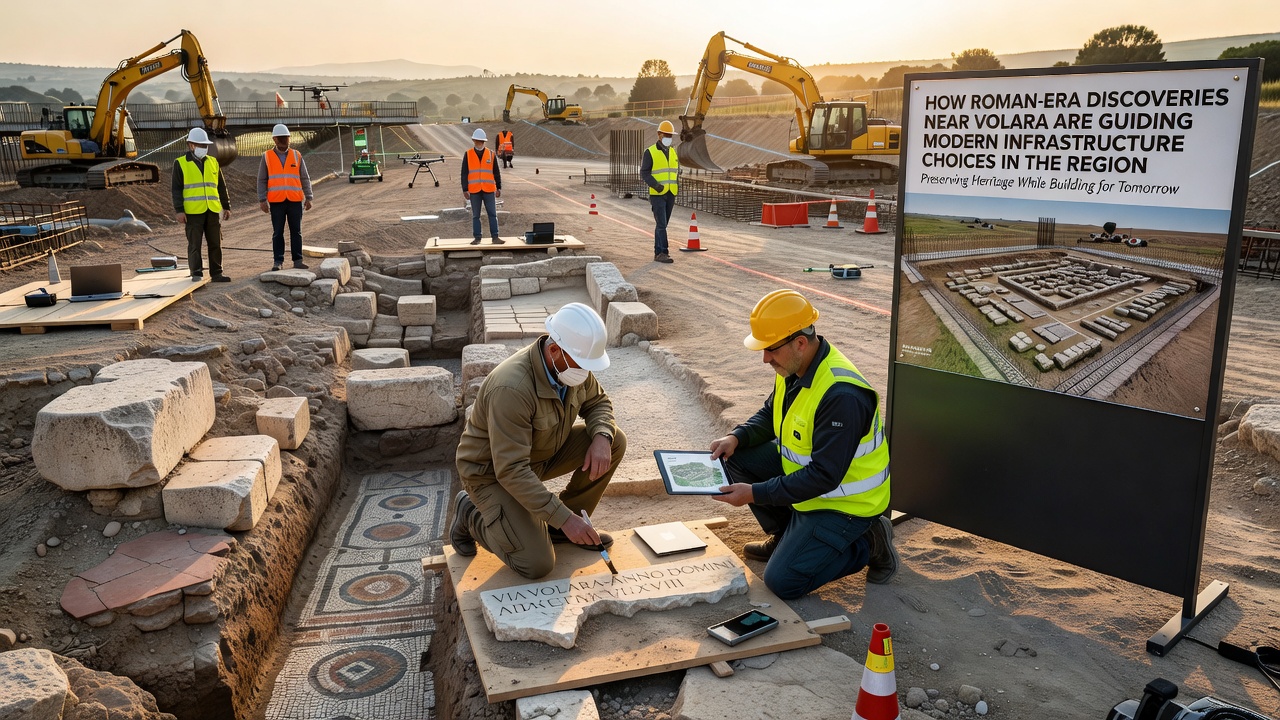
Archaeological teams working in fields surrounding Volara have uncovered extensive Roman-era remains that include road segments, drainage channels, and foundation layouts, and these findings now shape how planners approach new construction projects across the region. Surveys conducted over the past decade mapped these structures with precision, revealing patterns in material use and placement that engineers reference when designing modern roads and utilities. Regional authorities integrate this data into environmental impact assessments, which helps prevent unintended damage to subsurface features during excavation work.
Mapping Ancient Networks for Contemporary Use
Ground-penetrating radar and targeted digs have traced a network of Roman roads that once connected Volara to nearby settlements, and these alignments often coincide with current transport corridors. Planners adjust proposed highway expansions to run parallel rather than directly over these routes, which reduces both costs and preservation conflicts. Data from the regional cultural heritage office shows that such adjustments have occurred on at least three major projects since 2022, with similar protocols applied to utility line installations.
Drainage systems from the Roman period demonstrate sophisticated grading and channel placement that managed seasonal water flow effectively, and engineers now study these techniques when upgrading stormwater infrastructure in Volara's expanding suburbs. Soil analysis conducted alongside the excavations indicates that Roman builders selected stable subsoils for their foundations, information that informs geotechnical reports for new commercial developments. In November 2026 a joint task force plans to release updated guidelines that formalize these practices for all future municipal works.
Engineering Lessons Applied to New Projects
Construction crews working on a recent bypass road incorporated Roman-inspired gravel bedding layers beneath asphalt, which improved load distribution and extended pavement life according to post-construction monitoring reports. Local contractors report that these methods align closely with traditional Italian engineering practices while meeting modern load standards set by the Ministry of Infrastructure and Transport. Researchers from the University of Padua documented similar adaptations in a 2024 field study, noting reduced maintenance needs over a two-year observation period.
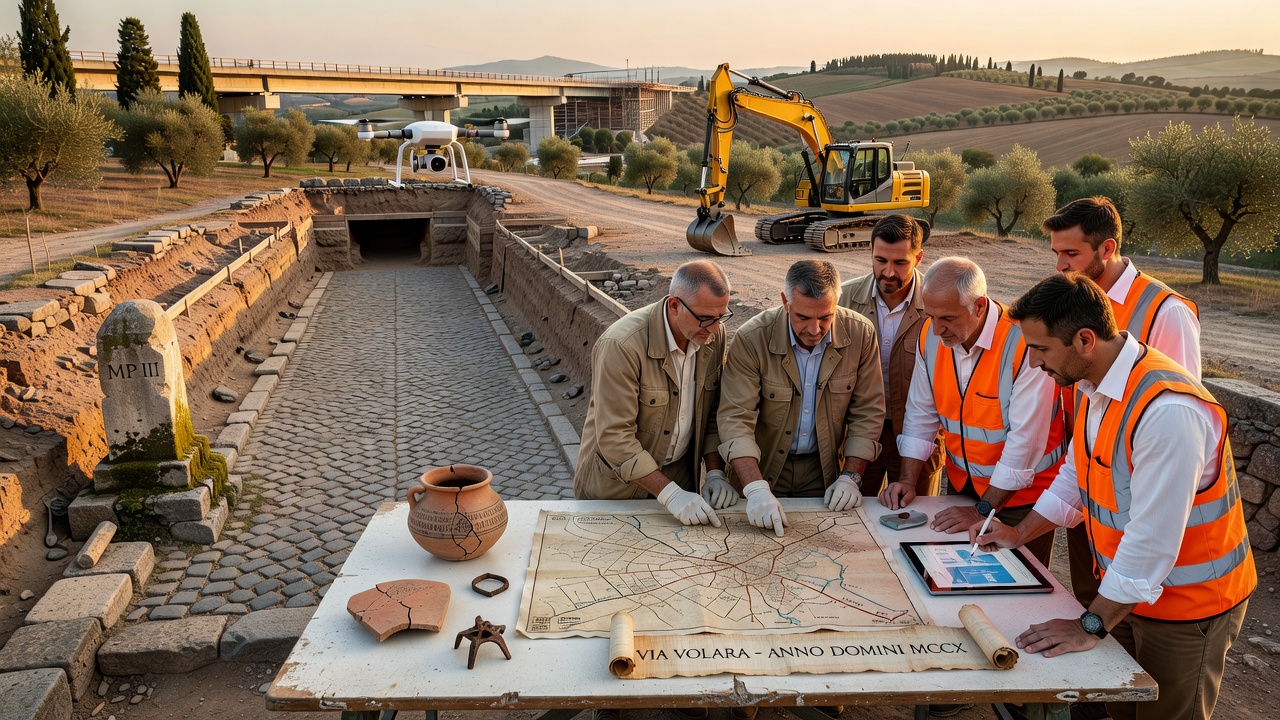
Utility companies have rerouted fiber optic and water lines after LiDAR surveys identified Roman aqueduct remnants running beneath planned corridors, and this approach avoids both legal delays and potential structural failures. The European Commission cultural heritage unit published a 2023 report that highlights comparable case studies from other Italian regions, emphasizing how early integration of archaeological data streamlines permitting processes. Observers note that Volara's approach builds on these examples by maintaining an open digital archive of site coordinates accessible to approved contractors.
Collaboration Between Disciplines
Archaeologists and civil engineers meet quarterly to review new finds and update shared mapping databases, which contain precise coordinates for over 120 documented Roman features. This ongoing exchange ensures that infrastructure timelines account for excavation windows, typically scheduled during drier months to protect fragile remains. A 2025 memorandum of understanding between the Volara provincial government and the national archaeological superintendency formalized these procedures, resulting in faster project approvals without compromising site integrity.
Training programs now include modules on Roman construction techniques for local engineering students, who visit active sites to examine original materials and layouts firsthand. Such programs draw from curricula developed at institutions like the University of Melbourne, which has studied adaptive reuse of ancient infrastructure principles in urban planning contexts. Figures from the provincial planning office indicate that projects incorporating these insights experience 15 percent fewer delays related to heritage discoveries.
Conclusion
Volara's infrastructure decisions continue to draw directly from documented Roman-era discoveries, with mapping data, material studies, and cross-disciplinary protocols guiding project design at every stage. Regional authorities maintain these practices through updated guidelines scheduled for release in November 2026, ensuring that new developments respect both historical evidence and contemporary engineering requirements. This systematic approach links past construction knowledge with present needs across multiple sectors.